
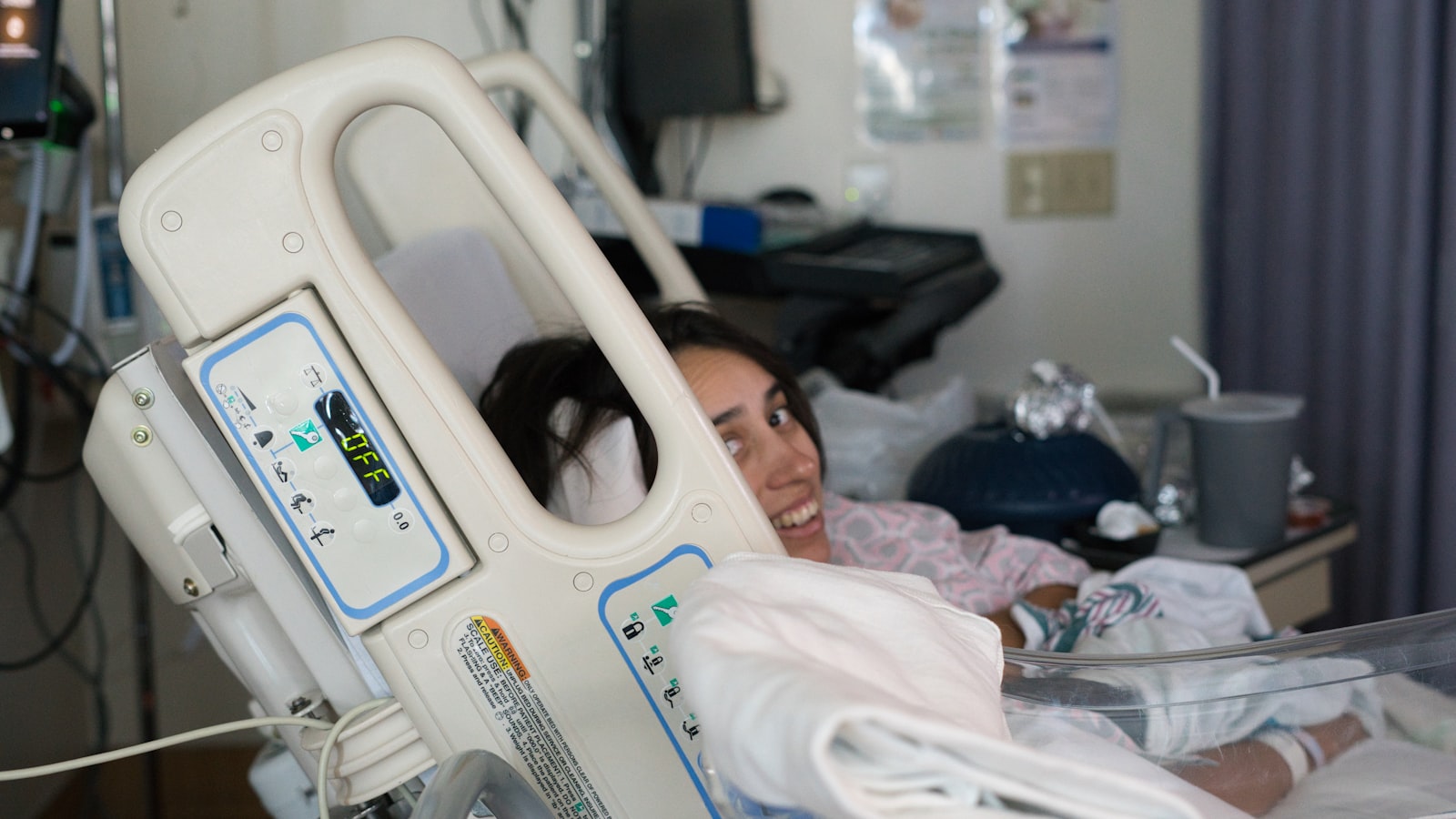
"I've just had a baby, everyone is celebrating — so why do I feel so sad?" — a typical thought for a mother experiencing postpartum depression. Statistically, 15–20% of women who give birth suffer from postpartum depression (NICE, WHO 2023).
This is not "baby blues" — it is a clinical condition requiring treatment.
Baby Blues vs. Postpartum Depression
Baby Blues (in 50–80% of women): begins 2–3 days after birth, lasts 1–2 weeks. A natural response to hormonal changes. Symptoms: tearfulness, anxiety, fatigue. Does not require treatment; resolves on its own.
Postpartum depression: begins after 2 weeks from birth, lasts for months. Meets the criteria of clinical depression (DSM-5). Symptoms are more severe:
- Persistent sadness, hopelessness (more than 2 weeks)
- Difficulty bonding with the baby
- Appetite disturbance (decreased or increased)
- Sleep disturbance (independent of the baby's schedule)
- Feeling like a "bad mother"
- Difficulty concentrating
- Thoughts of harming oneself or the baby
Risk Factors
- Past history of depression
- Stressful birth experience
- Lack of social support
- Financial difficulties
- Relationship problems
- Depression during pregnancy
- Hormonal sensitivity (history of PMS)
- Genetics (family history of depression)
Postpartum Psychosis — A Medical Emergency
A rarer condition (1–2 per 1,000 births) but serious. Symptoms: hallucinations, delusions, confusion, insomnia. This is a condition requiring emergency hospitalization. It typically begins within 2 weeks.
Treatment
NICE and APA recommendations:
Mild to moderate postpartum depression:
- CBT or interpersonal therapy (IPT)
- Social support (group therapy)
- Regular physical activity
- Restoring sleep routine (with partner's help)
Moderate to severe:
- Psychotherapy + antidepressant
- Safe medications exist for breastfeeding women (sertraline)
For severe cases: hospitalization, antidepressants + in some cases ECT.
Postpartum Depression in Fathers
Research has shown that fathers can also experience postpartum depression (8–10%). Symptoms are more often expressed as: withdrawal, isolation, irritability, avoidant behavior. In the family both the mother and the father should be assessed.
Why Is It So Hard to Ask for Help?
- The belief that "a good mother shouldn't feel this way"
- Hoping that "it's hormones, it'll pass on its own"
- Stigma and family attitudes of "she's faking it"
- Practical reasons (caring for the baby, lack of time)
- Fear of passing medication to the baby through breast milk (a misconception)
Practical Steps
- See a pediatrician or gynecologist — they screen using the Edinburgh Postnatal Depression Scale
- Evaluation by a psychiatrist or clinical psychologist
- Mobilize family support — childcare needs to be shared
- Join online groups — mothers with similar experiences
An important message: suffering from postpartum depression does not make you a bad mother. Getting treatment is the best gift — for yourself and for your child.